
Megalodon Shark Tooth (Otodus megalodon) 4.48 Real Fossil Shark Teeth
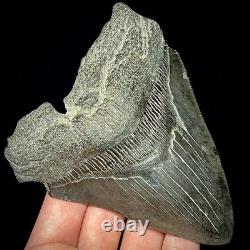
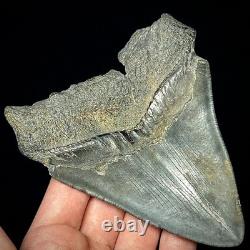
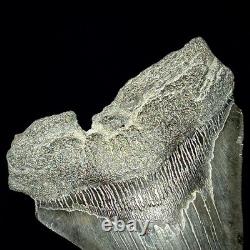
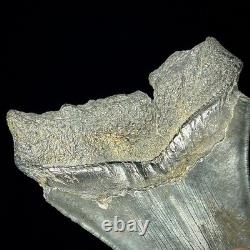
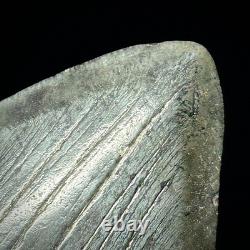
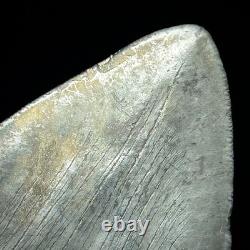


Formation: This tooth most likely came from the Hawthorn Formation dating between 16-11 million years old. Negatives: The upper corners of the crown and the upper sections of the root are damaged. The serrations are little bit dull as well. Positives: This fossil is decently large and is in decent condition. Description of the animal: Otodus megalodon.
Commonly known as megalodon, was an extinct species of giant mackerel shark that lived approximately 23 to 3.6 million years ago. As the largest shark and one of the largest fish to have ever existed, it was a dominant apex predator in prehistoric oceans. While often depicted as a larger version of the great white shark, scientific evidence suggests that. Megalodon had a more robust and possibly more streamlined body. The name "megalodon" means "big tooth, " a reference to its massive, serrated teeth that could grow up to 7 inches in length, and its powerful bite force, which was strong enough to crush the bones of its prey. Its diet consisted of large marine animals, including whales, dolphins, seals, and sea turtles, and its fossils have been found worldwide, indicating a cosmopolitan distribution in warm, coastal waters.